
Why I Started Trusting Simulations — and Why Your Next Wallet Should Help You Think Like A Defender

Whoa!
I started messing with DeFi wallets last year and felt uneasy. Something about approvals and gas fees kept tripping alarms for me. My instinct said protect your keys and simulate every step before signing. Initially I thought a browser extension was enough, but then I realized that without clear transaction simulation and contract-level controls you’re effectively trusting interfaces you cannot audit under time pressure.
Seriously?
Rabby’s approach to simulation grabbed my attention very quickly. It shows what a contract call will do before you confirm, which matters. On one hand the UX is lightweight and familiar to people who use extensions, though actually the depth of safety features for interacting with complex protocols is what made me keep testing it over days. I dug into its transaction simulation, tried edge cases, and then watched how it parsed contract ABIs to surface risky operations like approvals, permit misuse, and delegate calls so I could decide with more context instead of guessing.
Hmm…
For power users the ability to craft raw calldata and preview state changes matters. Protocols have quirks and somethin’ will always surprise you during a big swap. Check approvals, simulate slippage, and verify multisig interactions before you sign anything. I’ll be honest: initially I assumed these were niceties for paranoid traders, but after tracing a replayed swap that would have drained funds I changed my mind and began recommending simulation as very very important for anyone using composable DeFi stacks.
Wow!
The ecosystem has too many invisible traps for casual users. (oh, and by the way…) wallet isolation is underrated. On the analytical side, you want transaction simulation that reproduces EVM state, estimates gas accurately, and flags uncommon opcodes or value transfers so you can see exact token flows and potential front-running windows before committing. On the human side, clarity matters, because if the UI buries warnings people will click through, which is why tools that combine automation with clear callouts for approvals, permit scopes, and cross-contract effects actually reduce risky behavior over time.
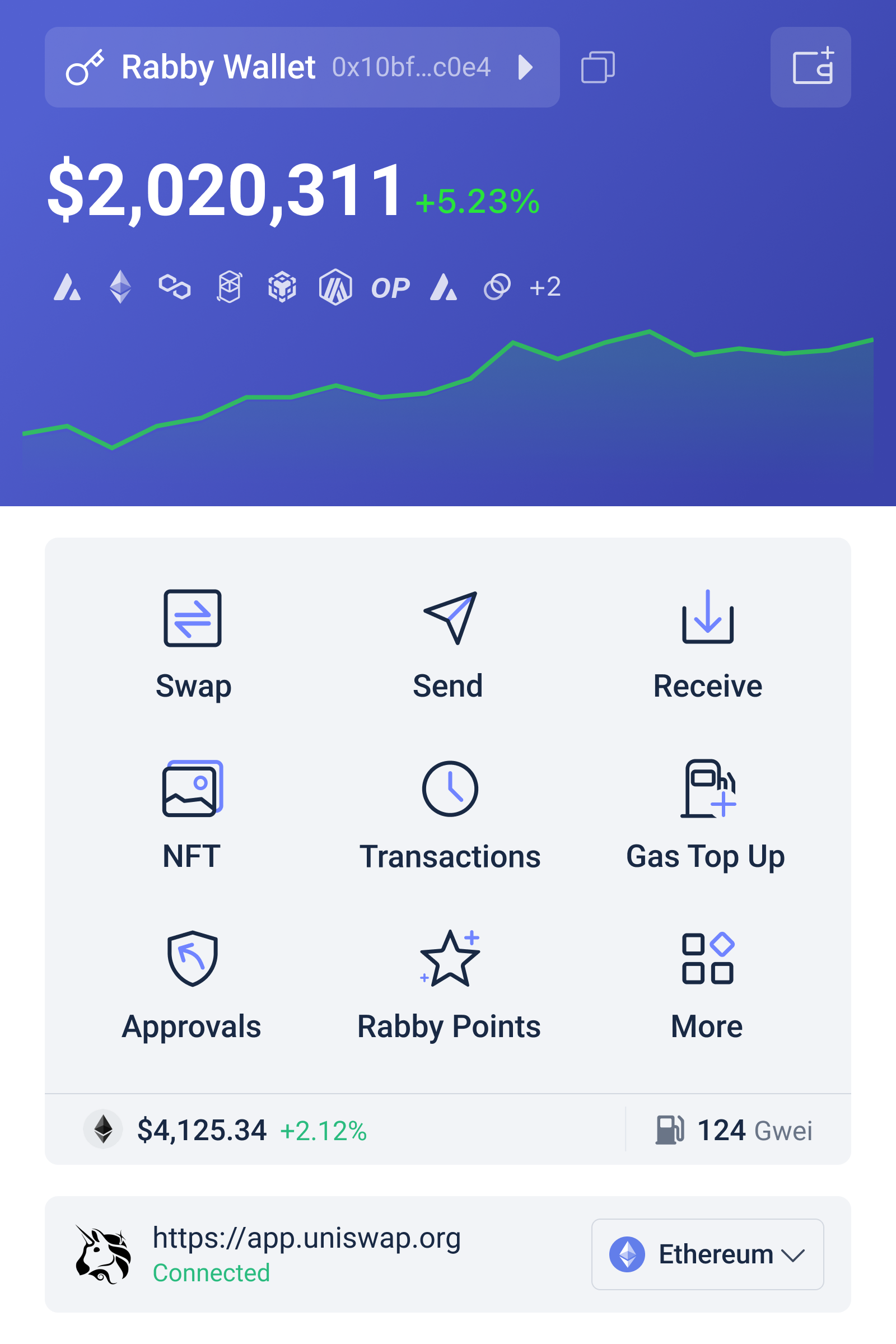
How rabby wallet fits into modern DeFi workflows
Here’s the thing. Integrating a wallet with protocol dev tools is not trivial. Developers need predictable signing APIs, sandboxed transaction building, and replayable simulations for CI. If you want to try it, consider rabby wallet because it exposes contract-level decisions so teams can automate safety checks. When you combine that with custom rules, whitelists, and detailed call traces you can build a workflow where CI catches dangerous permission grants long before a human touches a live transaction, and that alone lowers operational risk significantly.
Really?
There’s still limits to on-chain simulation fidelity, especially for mempool dynamics. I’m not 100% sure about cross-chain simulations in practice yet. Actually, wait—let me rephrase that: although current tools can approximate outcomes, certain off-chain oracles, orderbook behaviors, and gas-fee race conditions still defy perfect prediction, so you must combine simulation with conservative parameters and human review. If you’re running a treasury or a bot, building internal rules around approvals, multi-sig checks, and automated rollbacks is essential, and wallets that offer composable integrations for that become more than convenience—they become part of your security architecture.
FAQ: Practical questions I kept asking
Can simulation replace audits or manual review?
Here’s the thing. Simulation reduces surface area for errors but it does not replace audits or governance scrutiny. It helps you catch obvious regressions, weird approvals, and risky call sequences before they hit mainnet, which is valuable. Use simulation as an early-warning system while keeping multi-sig and human checkpoints for high-value transactions. In short, simulation plus process beats either alone, and that combo is something I now insist on for any protocol I touch.